
Aadvik Agastya
Aadvik Agastya is a writer, reader and lifelong explorer of ideas, drawn to the questions that sit at the intersection of knowledge, curiosity and imagination.
Writing under a name inspired in part by India's long intellectual and storytelling traditions, Aadvik approaches the world with a simple belief: knowledge becomes meaningful when it awakens the desire to know more. The name Agastya recalls the legendary Indian sage associated with learning, inquiry and the transmission of knowledge across traditions—an association that reflects the spirit behind his work without defining its boundaries.
His writing ranges widely because his curiosity does too. Through Quropedia, he explores science, space, history, ancient civilizations, mysteries, technology, philosophy, consciousness, nature, spirituality and the unanswered questions that continue to challenge what we think we know. Rather than treating knowledge as a collection of isolated facts, he looks for connections—between the ancient and the modern, evidence and possibility, human experience and the larger universe.
Through BookKad, that same curiosity turns toward books and the ideas contained within them. His book notes go beyond brief summaries, examining arguments, stories, concepts and implications so that readers can understand not merely what a book says, but why its ideas matter and how they connect with the wider world.
Aadvik's approach is neither to accept extraordinary claims uncritically nor to dismiss intriguing possibilities too quickly. He prefers the more interesting territory in between: examining evidence, questioning assumptions, separating what is known from what is believed, and remaining comfortable when a question does not yet have a final answer.
Across both Quropedia and BookKad, his purpose is ultimately the same—to make learning feel less like an obligation and more like discovery.
Because a good answer can satisfy curiosity, but a great one usually creates another question.
Explore Aadvik Agastya's collected works ↗ Identity & verification ↗
Book Notes by Aadvik Agastya
November 2, 2026
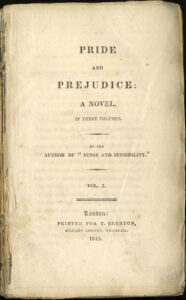
Pride and Prejudice: The Letter That Made Elizabeth Doubt Her Own Judgment
Darcy's letter does not instantly redeem him. Austen uses Elizabeth's painful rereading, Pemberley and Lydia's crisis to ask how judgment can change without surrendering…
Read the Book Note →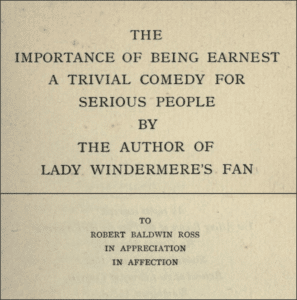
November 2, 2026
The Importance of Being Earnest: The Handbag That Decides Who Belongs
Oscar Wilde's comedy turns a cigarette case, a diary and a handbag into evidence of how society manufactures respectable identity.
Read the Book Note →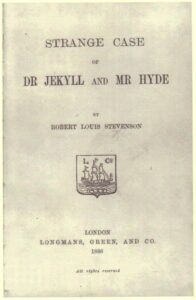
November 1, 2026
Dr Jekyll and Mr Hyde: The Door That Made Respectability Dangerous
A close reading of Stevenson's 1886 novella through its doors, documents and evasions: why Jekyll's greatest danger is not simply a second self.
Read the Book Note →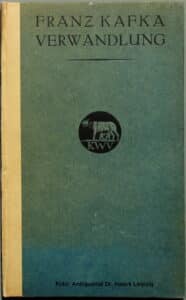
November 1, 2026
The Metamorphosis: The Door That Turned a Son into a Debt
Kafka's Gregor Samsa becomes vermin, but the family's changing doors, wages and rooms expose a more disturbing metamorphosis: the price of being useful.
Read the Book Note →
October 31, 2026
The Death of Ivan Ilyich: The Judge Who Could Explain Every Life Except His Own
A close reading of Tolstoy's 1886 novella: the funeral's cruel arithmetic, the judge mirrored by his doctor, Gerasim's care and the questions success cannot…
Read the Book Note →
October 30, 2026
The Turn of the Screw: The Governess Who Could Not Doubt Herself
Henry James's The Turn of the Screw makes the governess both witness and actor. A close reading of Bly, the lake scene, Miles and…
Read the Book Note →
October 25, 2026
A Christmas Carol: The Ghosts Cannot Change Scrooge—Only His Use of Time Can
A close reading of Dickens's 1843 A Christmas Carol through Fezziwig's workplace, Belle's lost future, Ignorance and Want, and the strange ethics of time.
Read the Book Note →
October 25, 2026
The Time Machine: The Museum That Outlived Humanity but Could Not Save It
A close reading of H. G. Wells's 1895 The Time Machine through its ruined museum, the Eloi and Morlocks, the narrator's mistaken theories and…
Read the Book Note →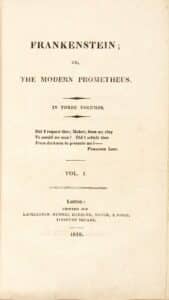
October 24, 2026
The Monster’s First Classroom: Frankenstein and the Ethics of Being Heard
A close reading of Mary Shelley's 1818 Frankenstein: the creature's education, Victor's abandonment, Justine's trial, and the ethics of listening.
Read the Book Note →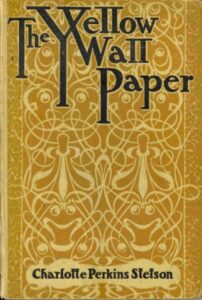
October 24, 2026
The Yellow Wall-Paper: The Secret Diary Is the Story’s Most Dangerous Room
Charlotte Perkins Gilman's The Yellow Wall-Paper is more than a Gothic story about a disturbing room. A close reading of its secret diary, medical…
Read the Book Note →